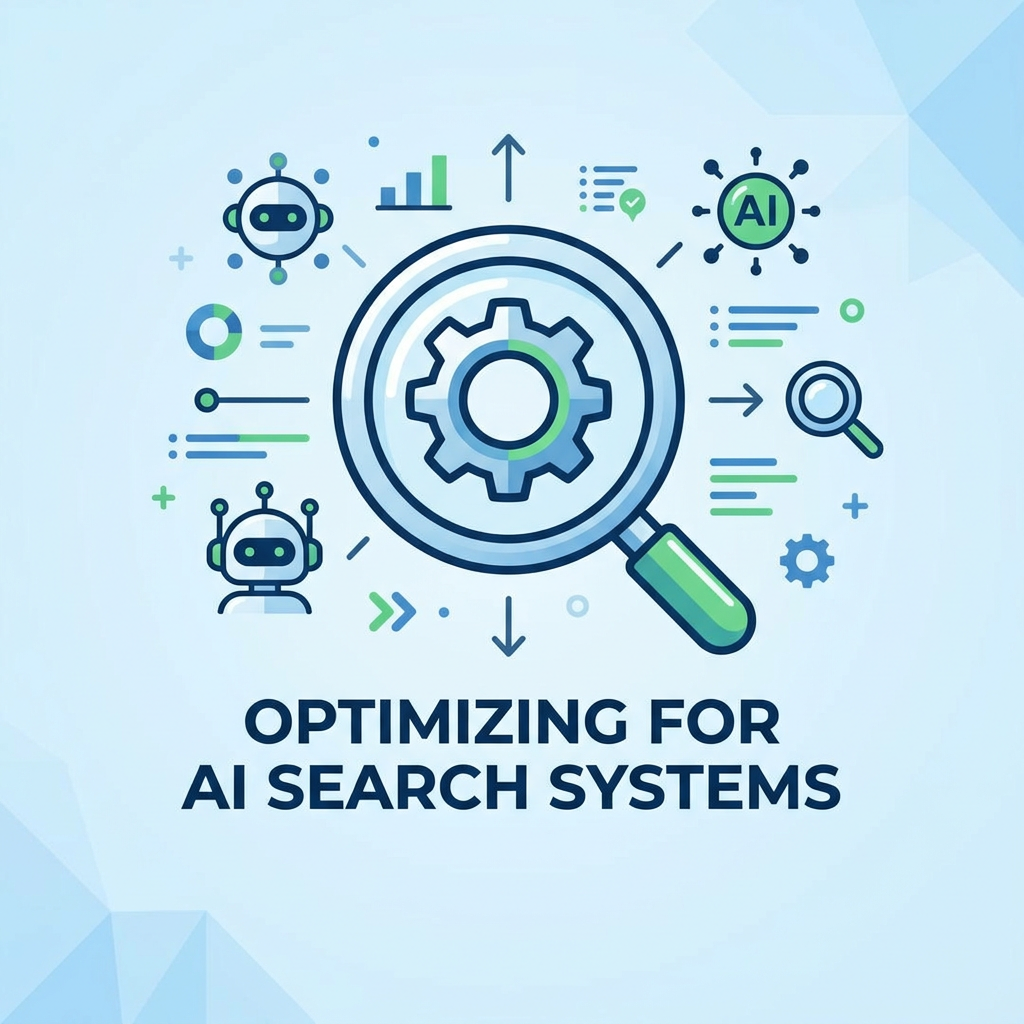
AI search systems increasingly crawl and interpret websites before users ever click. Modern AI bots such as GPTBot, Google-Extended, and PerplexityBot scan pages, analyze products and services, and determine whether a brand should appear in AI-generated answers. If these bots cannot properly access or understand a website, the brand may not be included in AI responses at all.
Unlike traditional SEO, visibility now depends not only on rankings but also on how AI describes and recommends a business. Companies are encouraged to test AI platforms directly by asking customer-style questions and reviewing how their brand is represented compared to competitors.
Technical accessibility is a major factor. Many modern websites rely heavily on JavaScript, dynamic content, or lazy loading, which can prevent AI crawlers from seeing critical information. If important content is not rendered server-side or easily readable, it may be effectively invisible to AI systems.
To improve AI visibility, websites should allow AI bots in robots.txt, ensure essential content loads without heavy client-side scripts, and present clear, structured information. As AI increasingly influences search behavior, optimizing for machine readability is becoming just as important as optimizing for traditional search engines.